Australia
0450 856 119
info@auzbuildingcontractors.com.au
Welcome to AUZ BUILDING CONTRACTORS Gyprocking and Plastering Division. AUZ BUILDING CONTRACTORS Gyprocking & plastering Division offers a professional, high-quality service covering the whole of Sydney, Brisbane, and Gold Coast. We offer outstanding service, fantastic quality, and a competitive price, will ensure all our customers are extremely pleased with their completed works. We also specialize in full wall & ceiling crack repair and house restoration. Our team of direct tradesman can remove loose wall plaster, damaged ceilings, and cornice, and then re-instate to your desired specification. We use clean dust sheets and tidy up completely at the end of each day. We also offer a full professional painting and decorating services that will leave your home or office looking fantastic, completed on time and on budget! AUZ BUILDING CONTRACTORS Gyprocking and Plastering can complete full water or fire damage restoration, we can deal directly with your loss adjuster, or insurance company. We are available 24 hours a day, 7 days a week. For a fantastic job, completed on time, and under budget, contact us now for a free inspection and quote. We are a team of gyprock and plastering professionals tackling everything from complex large projects to smaller scale jobs, having successfully managed numerous residential and commercial, specializing in gyprock and plastering. A Gyprock and Plastering is ready to fulfil your contracting needs. Whether you’re looking for a few helpful tips or need an experienced professional to fully manage a project. We’ve got the tools and experience to guarantee success. We make sure clients are completely satisfied with our work.
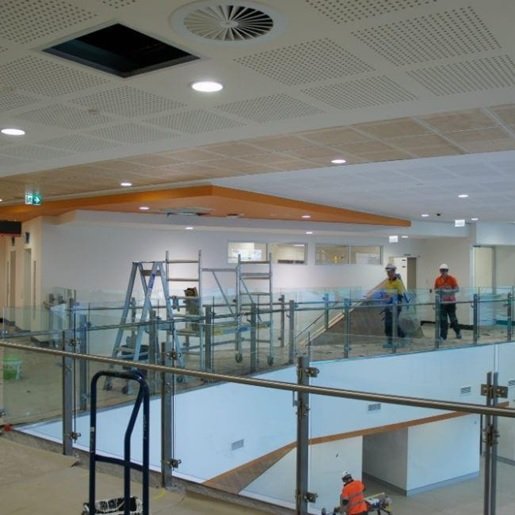
We are a team of gyprock and plastering professionals tackling everything from complex large projects to smaller scale jobs, having successfully managed numerous residential and commercial, specializing in gyprock and plastering. A Gyprock and Plastering is ready to fulfil your contracting needs. Whether you’re looking for a few helpful tips or need an experienced professional to fully manage a project. We’ve got the tools and experience to guarantee success. We make sure clients are completely satisfied with our work. Whether it’s a plastering repairs, small extensions, renovation, or new home, we can take care for all your plastering needs, No job too Big or Small, Guaranteed solution to your home repair and maintenance needs our uniformed technicians are fully insured professionals. We arrive on time in uniform and a marked van with the tools to complete the job right.
AUZ commercial plasterers in Sydney, Brisbane, and Gold Coast for over 30 years, we’ve completed over 10,000 domestic and commercial plastering jobs. We’ve seen it all and done it all in that time, so if you’re looking for high-quality, affordable commercial plastering services, you’re in the right place!
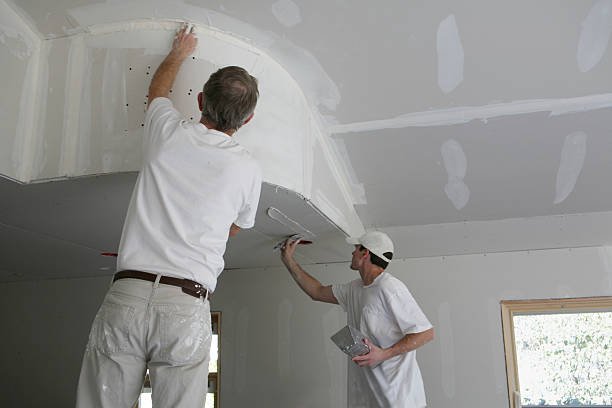
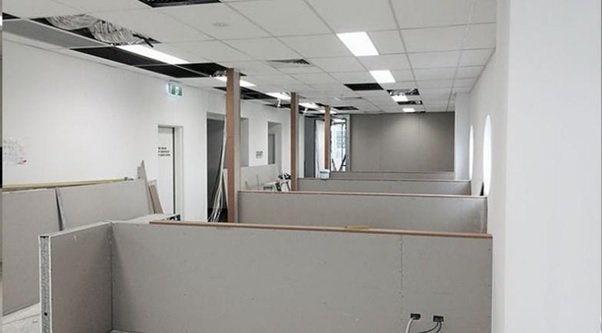
We specialise in shop fitting and plastering jobs across office, display suit, retail, healthcare, hospital, and fitness industries, so whether you’re starting from scratch or relocating, building your dream or up-sizing we’re here to help.
Plastering a wall is without a doubt the most challenging job that anyone could contemplate around the home. It really isn’t as easy as it looks. Apart from the mixing being a concise art form, getting it on the wall before it sets, and making a decent job of it, in a reasonable time, is just not worth the effort for most us! Get it done properly, you can save time, a big mess around your home, and of course a great deal of frustration getting things badly wrong!

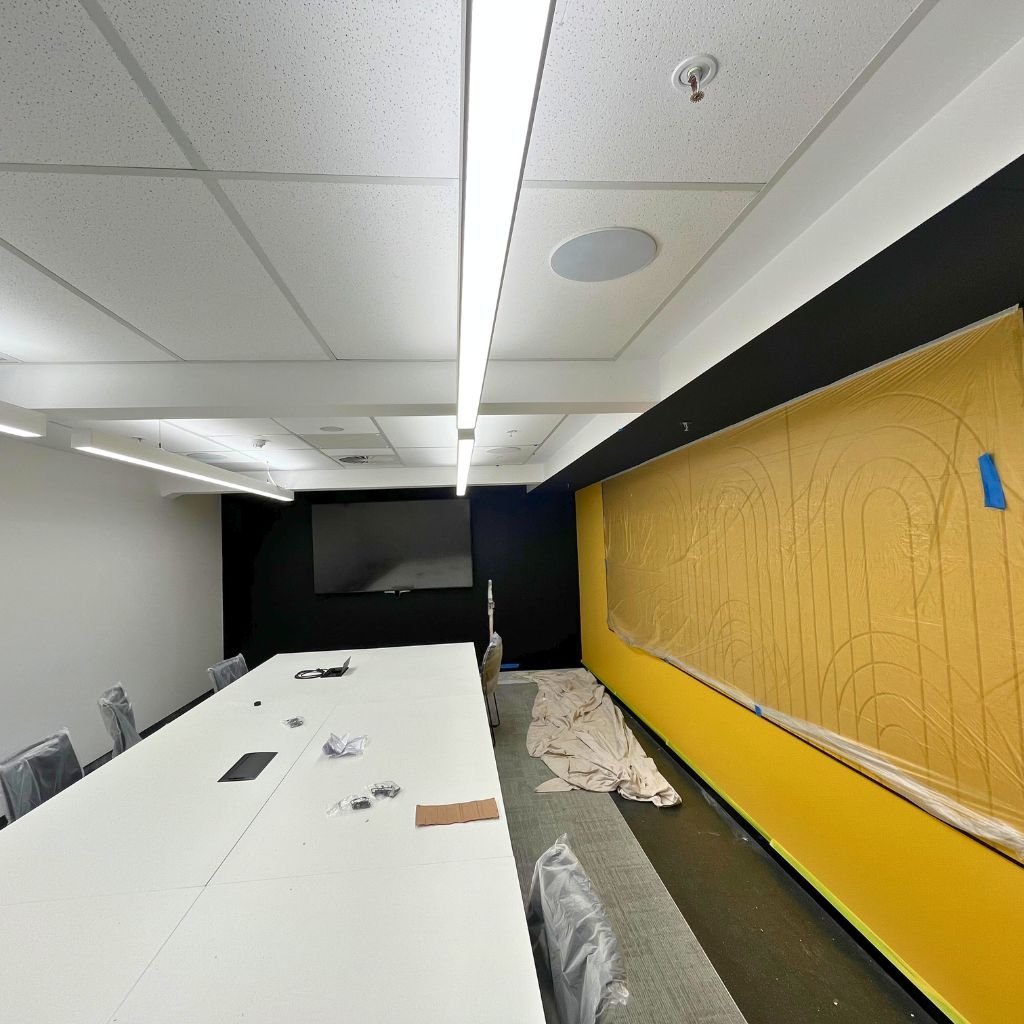
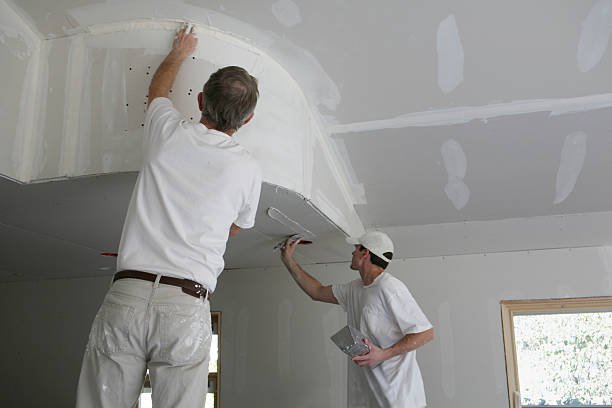
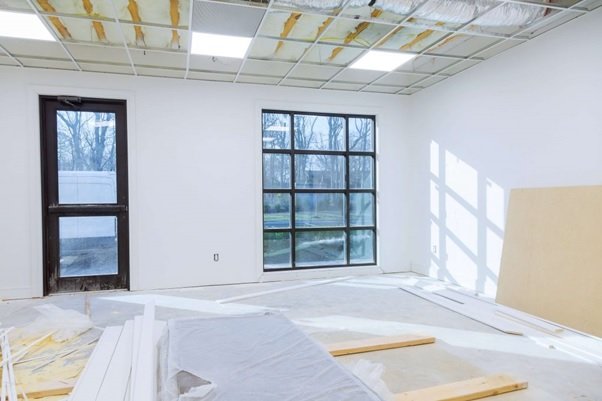
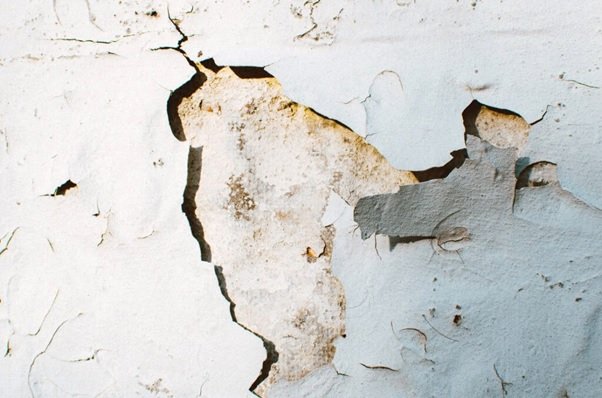
There is a wide variety of options for use in the building and finishing of walls and ceilings. However, gyprock and plaster are two of the most widely used options. There are important distinctions between these two materials that can affect the outcome of your work despite their superficial similarities. In this article, we will compare and contrast gyprock and plaster, discussing their similarities and differences along the way. When you’re done reading this article, you’ll have a firmer grasp of these materials and be in a better position to choose the one that’s ideal for your project.
Gyprock is a type of gypsum board that is frequently used in building and remodelling. It consists of two layers of sturdy paper or fibreglass matting encasing a gypsum plaster core. Gyprock is widely used in commercial and residential construction due to its combination of fire resistance and soundproofing properties. In addition to its adaptability, Gyprock is prized for how simple it is to set up. It can be trimmed and shaped with common tools, and it goes up with screws, nails, or adhesives. Painting, wallpapering, and texturing are just some of the ways that gyprock can be finished, expanding the range of design possibilities. The term “gyprock” is commonly used to refer to any gypsum plasterboard product, despite being a trademarked brand name from Australia.
Plaster has been used as a wall and ceiling covering for thousands of years. It is applied while still wet to create a smooth, solid surface that can be painted or decorated, and is made from a combination of gypsum, lime, sand, and water. Plaster comes in a variety of forms, each with its own set of advantages and disadvantages. For instance, because of its adaptability, lime plaster is frequently used in the restoration of older buildings. However, gypsum plaster’s low cost, quick drying time, and widespread availability have made it a popular choice for use on interior walls and ceilings in recent building projects. Plaster is beneficial because it is a fireproof and non-toxic building material. Because of its ability to dampen noise, it is frequently used in audio and video production facilities and private theatres. Plaster can be applied with a hand trowel, a roller, or a spray machine. Its malleability and adaptability to texture and form make it ideal for a variety of creative applications.
Gyprock is a multipurpose material that can be used in many different building and remodelling applications. The following are examples of when gyprock is a suitable option:
Gyprock is widely used in today’s construction industry for use on interior walls and ceilings. It can withstand heat and flames and block out unwanted noise without weighing you down. Gyprock is easily installed with screws, nails, or adhesives, and can be trimmed and shaped with common tools.
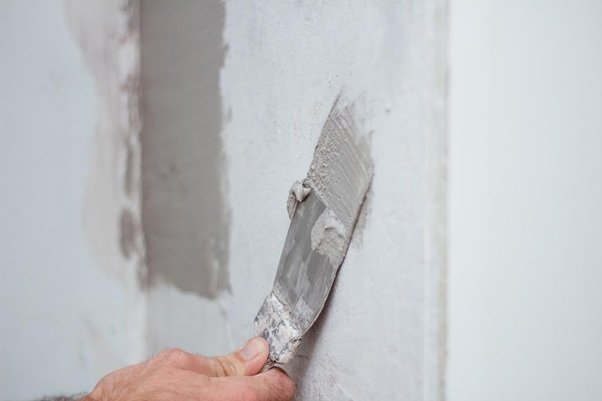
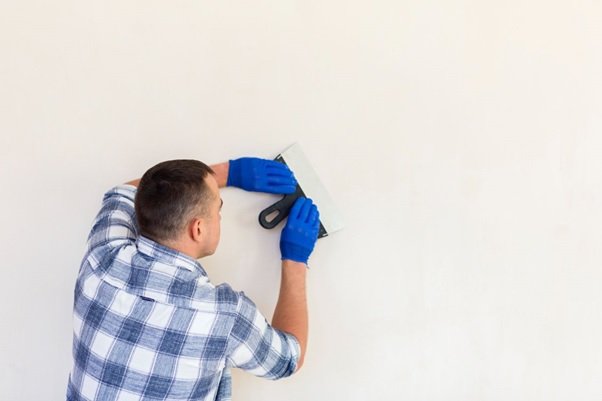
Gyprock is an excellent option for moist environments like bathrooms, laundry rooms, and kitchens. Because of its resistance to mould and mildew, gyprock is a sanitary material choice for damp environments.
Gyprock has excellent soundproofing properties, so it can also be used as an acoustic insulation material. Because of this, it is frequently used in studios, music rooms, and even personal theatres.
Gyprock can be painted, wallpapered, or textured to achieve a variety of looks. This makes it a great material for use in making decorative wall and ceiling finishes. Gyprock’s malleability means it can be shaped and textured in numerous ways, opening up a wealth of design options.
Because of its high level of protection against fire, Gyprock is frequently used in both commercial and residential construction. Fires can be contained with the help of gyprock because it does not contribute to the spread of flames.
The availability and low cost of gypsum board make it a popular construction material. Easy installation also means less money spent on labour. Gyprock is an adaptable building material that has many potential applications.
Interior walls and ceilings, areas prone to moisture, acoustic insulation, decorative finishes, fire safety, and cost all benefit from its use.
If you want to make sure you’re using the right kind of gyprock for your project, you should think about its intended purpose and talk to an expert before you start.
For thousands of years, plaster has been used to cover walls and ceilings with a uniform, durable finish. Some applications in which plaster would be appropriate are as follows:
In order to restore the look of walls and ceilings to their original state, plaster is frequently used. Plaster is versatile enough to be shaped and textured for aesthetic purposes, and it can be finished to look like the original structure.
Plaster is a long-lasting material that can take a beating from regular use. It’s not easily damaged by everyday use, so it’s a good option for high-traffic areas.
Plaster’s ability to insulate against heat and cold can significantly cut down on a building’s annual utility bills.
Gyprock is a multipurpose material that can be used in many different building and remodelling applications. The following are examples of when gyprock is a suitable option:
Plaster is a safe building material because it is made from natural ingredients and is resistant to fire. Plaster won’t help a fire spread if it starts in your home.
Smooth, textured, and decorative plaster finishes are all possible. Because of this, it is frequently used to produce one-of-a-kind and aesthetically pleasing wall and ceiling coverings.
Plaster can be used on many different materials, from wood to brick to concrete. Because of its versatility, it is often used in remodelling projects to hide flaws in walls and ceilings. For its many positive qualities as a building material, including its longevity, energy efficiency, sound insulation, fire resistance, aesthetic appeal, and adaptability, plaster has maintained a strong presence in modern construction. It works well in places that see a lot of foot traffic, saves energy, is used for recording, or is undergoing renovation. You should think about your project’s unique requirements and get advice from an expert before starting to plaster anything.

Walls and ceilings are often finished with either gyprock or plaster, two standard construction materials. Despite their superficial similarities, these two materials are actually quite distinct and are therefore better suited for various uses.
Drywall, commonly known as gyprock, is formed by pressing gypsum plaster between two sheets of paper or fibreglass. During production, gypsum is heated to drive off any remaining moisture before being combined with chemicals that boost its strength and fire resistance.
Plaster, on the other hand, is a mixture of gypsum, sand, and water that is placed in layers to provide a uniform finish.
Gyprock can be cut to size and shaped with standard tools, making it convenient for DIY projects. Typically, screws, nails, or adhesives are used for installation, and it can be finished with paint, wallpaper, or texture.
Plaster, on the other hand, necessitates greater skills due to its multi-layer application and subsequent smoothing off for a flat finish.
Plastering takes more time and work than gyprock to apply smoothly because it is typically done by hand.
Gyprock is a tough substance that can stand up to the rigours of daily use. In addition to being fireproof, mould and mildew resistant and non-combustible also make it an excellent material for construction.
Plaster is likewise robust and durable, although it breaks down and chips more easily. Plaster surfaces can be reinforced with materials like metal lath or fibreglass mesh to reduce this risk.
Although both gyprock and plaster are great in dampening noise, the former is more widely regarded as a better choice. Because of its greater thickness, gyprock is better able to absorb sound and lessen background noise than plaster.
Gyprock is versatile enough to serve as an acoustic insulation material, making it a favourite in settings where sound quality is paramount, such as music rooms, recording studios, and auditoriums.
Plaster and gyprock both offer a wide range of finishing options that can be used to create one-of-a-kind and visually appealing surfaces. Plaster can be shaped and textured to give a more classic or ornate finish, whereas Gyprock can be painted, wallpapered, or textured to create a wide variety of appearances.
Because it is simpler to produce and set up, Gyprock is typically less expensive than plaster. Gyprock is widely available and inexpensive, making it a great option for building and remodelling. Plaster, on the other hand, necessitates a higher level of competence during installation, which might increase the price of labour. Plaster and gyprock each have their advantages and disadvantages, and each is best used in certain situations. Plaster is more long-lasting, fireproof, and aesthetically pleasing, while Gyprock is simpler to install, cheaper, and provides greater sound insulation. To be sure you’re utilising the correct material for the job, think about the specifics of your project and talk to an expert before deciding between the two.
It is commonly agreed that gyprock is simpler to deal with than plaster when making repairs or performing maintenance. The reason for this is that gyprock is a less complicated material to work with than other similar options. Some of the reasons why gyprock requires less maintenance and repairs than other materials are as follows: A gypsum core is encased in two layers of paper or fibreglass to create gyprock, a reasonably simple material. Because of this, cutting, patching, and repairing may be done with minimal effort and supplies. Plaster, on the other hand, is a more involved material that calls for specialist knowledge and repair techniques. Depending on the severity of the damage, Gyprock can be repaired and maintained in a number of different ways. Cracks and holes can be patched with speckling or joint compound, while bigger holes may need to be patched with a piece of gyprock. After the patch is repaired, it can be sanded and painted to blend in with the rest of the wall. While repairing plaster, it’s not uncommon to have to remove and replace large areas of the affected wall or ceiling. Gyprock is a tough substance that can stand up to the rigours of daily use. In addition to being fireproof, mould and mildew resistant and non-combustible also make it an excellent material for construction. Plaster is likewise robust and durable, although it breaks down and chips more easily. This can make repairs more challenging, as the cracks may return shortly after being patched. Gyprock may be found in most hardware and home improvement stores. This facilitates the process of locating necessary components for upkeep and repair. Plaster, on the other hand, may be harder to come by and fix without the right equipment. In comparison to plaster, repairs and maintenance on gyprock are typically seen as simpler. Homeowners and builders alike gravitate towards it because of its desirable combination of ease of use, adaptability, durability, and availability. Keep in mind that you can’t generalise about the best material for repairs and maintenance; instead, you need to consider the unique requirements of your project. If you want to make sure you’re selecting the appropriate choice of material, it could be best to get some expert advice.
Gyprock and plaster are common choices for constructing and decorating interior walls and ceilings.
Because of its fireproof and soundproof qualities, Gyprock is widely used in commercial and residential construction.
Plaster has been used as a wall and ceiling covering for thousands of years. It is made by mixing gypsum, lime, sand, and water.
Gyprock has become increasingly popular for use on interior walls and ceilings due to its low price, fast drying time, and widespread availability.
Because of its fire resistance and lack of toxicity, plaster is frequently used in studios for recording and filming as well as in home theatres.
Gyprock is a versatile material that can be used for a wide variety of construction and renovation tasks. It is inexpensive, fireproof, acoustically insulating, decorative, and suitable for use on interior walls and ceilings.
It can be shaped and textured in a wide variety of ways, and it is simple to install with screws, nails, or adhesives.
Studio spaces, music rooms, and home theatres can all benefit from its high level of soundproofing.
Interior walls and ceilings, damp areas, acoustic insulation, decorative finishes, fire safety, and budget all benefit from the versatility of gyprock.
Due to its durability, energy efficiency, sound insulation, fire resistance, aesthetic appeal, and adaptability, it has maintained a significant presence in contemporary buildings.
Gyprock and plaster are both common building materials, but they each have their advantages.
Plaster is a mixture of gypsum, sand, and water that is applied in layers to create a uniform finish, while gyprock is created by pressing gypsum plaster between two sheets of paper or fibreglass.
Gyprock is an extremely durable material that can withstand the abuse of daily life; it is also resistant to fire, mould, and mildew.
It has a wider variety of finishing options than plaster, allowing you to create truly unique and aesthetically pleasing surfaces, and it is also better at absorbing sound and reducing background noise. Gyprock is an excellent building and remodelling material because it costs less than plaster.
There is a wide variety of options for use in the building and finishing of walls and ceilings.
However, gyprock and plaster are two of the most widely used options.
There are important distinctions between these two materials that can affect the outcome of your work despite their superficial similarities.
When you’re done reading this article, you’ll have a firmer grasp of these materials and be in a better position to choose the one that’s ideal for your project.
Gyprock is a type of gypsum board that is frequently used in building and remodelling.
In addition to its adaptability, Gyprock is prized for how simple it is to set up.
However, gypsum plaster’s low cost, quick drying time, and widespread availability have made it a popular choice for use on interior walls and ceilings in recent building projects.
Plaster can be applied with a hand trowel, a roller, or a spray machine.
Its malleability and adaptability to texture and form make it ideal for a variety of creative applications.
Gyprock is a multipurpose material that can be used in many different building and remodelling applications.
Interior Walls and Ceilings Gyprock is widely used in today’s construction industry for use on interior walls and ceilings.
It can withstand heat and flames and block out unwanted noise without weighing you down.
Gyprock is easily installed with screws, nails, or adhesives, and can be trimmed and shaped with common tools.
Because of its resistance to mould and mildew, gyprock is a sanitary material choice for damp environments.
Gyprock has excellent soundproofing properties, so it can also be used as an acoustic insulation material.
Gyprock can be painted, wallpapered, or textured to achieve a variety of looks.
This makes it a great material for use in making decorative wall and ceiling finishes.
Gyprock’s malleability means it can be shaped and textured in numerous ways, opening up a wealth of design options.
Because of its high level of protection against fire, Gyprock is frequently used in both commercial and residential construction.
The availability and low cost of gypsum board make it a popular construction material.
Easy installation also means less money spent on labour.
Gyprock is an adaptable building material that has many potential applications.
If you want to make sure you’re using the right kind of gyprock for your project, you should think about its intended purpose and talk to an expert before you start.
For thousands of years, plaster has been used to cover walls and ceilings with a uniform, durable finish.
Plaster won’t help a fire spread if it starts in your home.
For its many positive qualities as a building material, including its longevity, energy efficiency, sound insulation, fire resistance, aesthetic appeal, and adaptability, plaster has maintained a strong presence in modern construction.
It works well in places that see a lot of foot traffic, saves energy, is used for recording, or is undergoing renovation.
Walls and ceilings are often finished with either gyprock or plaster, two standard construction materials.
Despite their superficial similarities, these two materials are actually quite distinct and are therefore better suited for various uses.
Although both gyprock and plaster are great in dampening noise, the former is more widely regarded as a better choice.
Because of its greater thickness, gyprock is better able to absorb sound and lessen background noise than plaster.
Gyprock is versatile enough to serve as an acoustic insulation material, making it a favourite in settings where sound quality is paramount, such as music rooms, recording studios, and auditoriums.
Plaster and gyprock both offer a wide range of finishing options that can be used to create one-of-a-kind and visually appealing surfaces.
Copyright © AUZ 2023. All Rights Reserved.